
Dynamic and static climbing rope from Maxim, Sterling, Teufelberger, and Petzl. UIAA certified for sport, trad, gym, and alpine. Sold by the foot and standard climbing lengths.
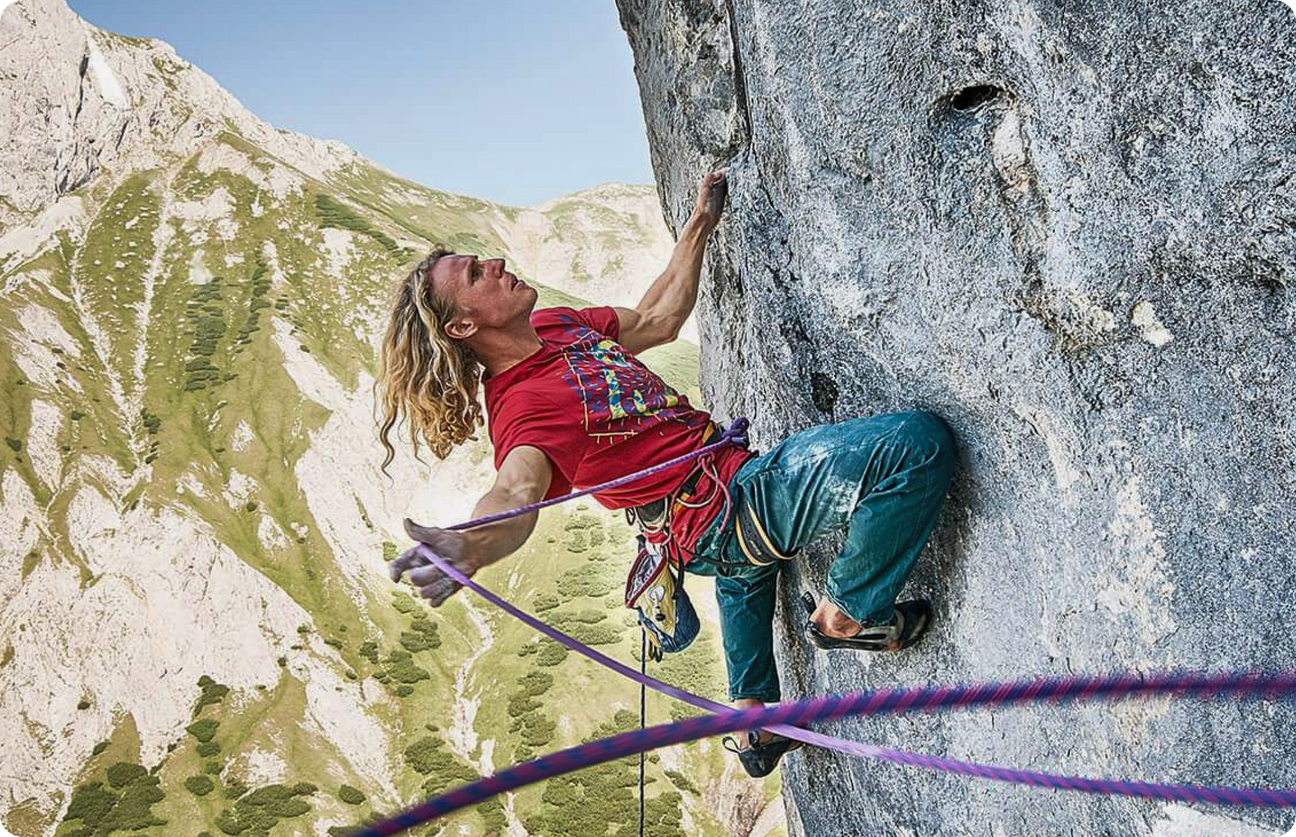

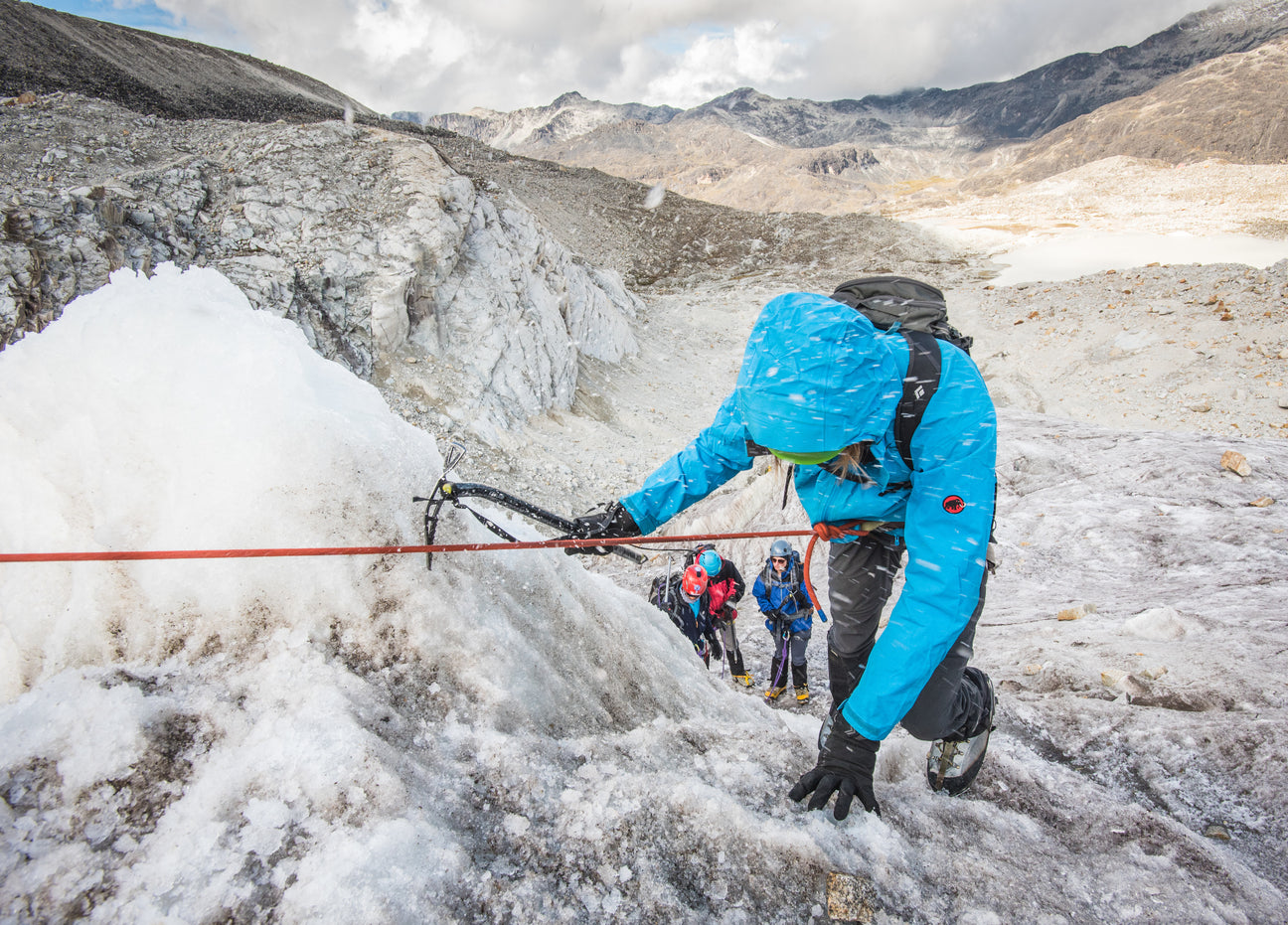


Dynamic and static climbing rope from Maxim, Sterling, Teufelberger, and Petzl. UIAA certified for sport, trad, gym, and alpine. Sold by the foot and standard climbing lengths.

Static Kernmantle Rope excellent for SRT Climbing, rappelling and rescue

Static kernmantle rope for arborist climbing applications.
Choosing the right climbing rope depends on how you climb, where you climb, and what rope system you use. Whether you are shopping for a gym rope, sport climbing rope, trad climbing rope, alpine line, static rope, or accessory cord, the right rope improves handling, supports rope management, and helps match your gear to the demands of your climb.
ROPE.com carries climbing ropes, static ropes, accessory cord, and climbing rope by the foot from trusted brands including MAXIM, Sterling, Petzl, and Marlow. Our rock climbing rope selection includes dynamic single ropes, half ropes, twin ropes, gym ropes, bi-pattern ropes, static lines, and accessory cord in a range of diameters, colors, and lengths.
We offer climbing rope in factory-packaged standard lengths and select ropes cut to custom lengths. For any climbing, rescue, or life-safety application, always confirm that the rope, length, labeling, and certification are appropriate for your intended use.
Dynamic climbing ropes are designed to stretch under load. This elongation absorbs fall energy and reduces the force transferred to the climber, belayer, anchors, and protection. Dynamic ropes are the standard choice for lead climbing and are commonly used for top-rope, sport, gym, trad, ice, and alpine climbing. Modern dynamic ropes use kernmantle construction: a load-bearing nylon core wrapped in a braided sheath that protects the core from abrasion.
Static ropes, also called low-stretch ropes, are designed to minimize elongation under load. They are commonly used for rappelling, hauling, fixed lines, rope access, rescue, arborist work, and anchor systems where excessive stretch is not desired. Static ropes are not designed to catch lead climbing falls.
Single ropes are the most common choice for gym climbing, sport climbing, and most trad climbing. They are designed to be used alone and carry a \"1\" certification symbol.
Half ropes are used in pairs and clipped alternately into protection. This system can help reduce rope drag and add redundancy on wandering trad routes, ice climbs, and alpine terrain.
Twin ropes are also used in pairs, but both strands are clipped together into the same protection points. Twin rope systems are typically used by climbers who want a lightweight two-rope system for alpine, ice, and routes with long rappels.
Climbing rope diameter affects weight, handling, durability, and compatibility with belay devices. Thicker ropes generally offer more durability and easier handling, making them popular for gyms, top-rope, and frequent outdoor use. Thinner ropes reduce weight for long approaches, redpoint attempts, ice, and alpine routes, but they often require more attentive belaying and may wear faster under heavy use.
Weight is measured in grams per meter (g/m). As a rough reference, many 9.8mm single ropes weigh around the mid-60s g/m, while many 9.1mm ropes are closer to the low-50s g/m. Exact weight varies by manufacturer, construction, and dry treatment. Always check the manufacturer specs for any rope you are considering, and confirm that your belay device is rated for the rope's diameter before use.
The right rope length depends on the route, gym wall height, rappel requirements, and local climbing area. Common lengths include:
Always confirm route length and rappel distance before climbing. When lowering or rappelling, tie a stopper knot in the end of the rope unless your system specifically requires otherwise.
Impact force is the peak force measured during the standardized UIAA test fall, expressed in kilonewtons (kN). A lower impact force generally indicates a softer catch and reduced load on protection. UIAA 101 caps impact force for single ropes at 12 kN, and many modern single ropes test below that ceiling. Always check the manufacturer's published specs for the rope you are considering.
Static elongation measures how far a rope stretches under a fixed load (80 kg in the UIAA test). UIAA 101 caps static elongation for single ropes at 10%. Dynamic elongation measures stretch during a standardized fall test and is capped at 40% under the same standard. More elongation can create a softer catch but also increases total fall distance, which matters when climbing near ledges, the ground, or other hazards.
Sheath slippage measures movement between the outer sheath and the inner core. Lower sheath slippage generally indicates better core-to-sheath stability. Excessive movement can affect handling and may shorten the usable life of a rope.
Dry-treated climbing ropes use water-repellent treatments on the sheath, core, or both to reduce water absorption. A wet rope can gain weight, lose its dry handling characteristics, and may not perform the same as a dry rope. Dry treatment is particularly useful for ice climbing, alpine climbing, mountaineering, and any climb where the rope is likely to encounter snow, rain, or wet rock.
For indoor climbing and fair-weather sport climbing, an untreated rope is often sufficient. Some climbers still prefer a dry-treated rope outdoors because the coating can reduce dirt absorption and improve long-term handling.
Specifications only tell part of the story. Sheath construction influences how a rope feeds through a belay device, clips into quickdraws, and ages over time.
A denser, higher-carrier-count sheath (such as the 48-carrier sheath used on the MAXIM Glider) generally creates a smoother hand and solid abrasion resistance.
A 32-carrier sheath uses a more open weave that can feel softer initially but may show wear sooner on rough rock or sharp edges.
Most new ropes feel stiff out of the package and gradually break in over the first several sessions.
A middle mark helps identify the center of the rope during rappels, lowering, and rope management. Many ropes use an ink-based middle mark on the sheath, which can fade with use, dirt, and washing.
Bi-pattern ropes change the weave or color pattern at the midpoint, providing a highly visible midpoint that does not rely on an ink mark. The Sterling IonR is one example. For multi-pitch climbing, frequent rappelling, and complex rope systems, a bi-pattern rope can make rope management easier.
Many dynamic climbing ropes are tested to recognized climbing rope standards such as UIAA 101 and EN 892. These standards evaluate impact force, elongation, sheath slippage, and fall performance under controlled laboratory conditions. To pass the UIAA single-rope fall test, a rope must hold at least 5 standardized test falls without failure. Most quality single ropes are rated for more than the minimum, often in the range of 6 to 12 falls.
A rope's fall rating should not be treated as a literal countdown of how many real-world falls remain. Actual rope life depends on use, abrasion, falls, contamination, storage, inspection, and manufacturer guidance.
Static ropes used for rope access, rescue, and similar applications are commonly tested to EN 1891, with Type A representing the higher-strength static rope category.
Proper care helps extend the usable life of a climbing rope. Keep your rope away from dirt, sharp edges, chemicals, excessive heat, and prolonged direct sunlight. Use a rope bag or tarp outdoors, store your rope in a cool and dry place, and inspect it before and after climbing.
Retire a climbing rope if you notice any of the following:
As a general industry guideline, frequently used ropes may need to be retired within 1 to 3 years, occasional-use ropes within 3 to 5 years, and even unused ropes are typically retired after about 10 years. Always follow the manufacturer's specific care, inspection, and retirement guidance for your rope. When in doubt, retire the rope or contact the manufacturer.
Climbing rope cut from bulk spools and sold by the foot may not retain the original manufacturer certification, labeling, or traceability once separated from the factory-finished coil. Rope sold by the foot is useful for many custom-length applications, but it should not be assumed to carry the same certification status as a factory-packaged climbing rope.
For lead climbing, top-rope climbing, rescue, or any other life-safety application, choose a factory-packaged rope with the proper manufacturer labeling, documentation, and certification for your intended use.
ROPE.com stocks rock climbing rope from MAXIM, Sterling, Petzl, and Marlow. Our selection includes single ropes for sport and gym, half ropes and twin ropes for ice and alpine, static rope for rappelling and rope access, and accessory cord for anchors and prusiks. Whether you need a workhorse gym rope, a lightweight sport line, or custom-length accessory cord, our team can help you choose the right diameter, length, and style for the way you climb.

Match your rope to the way you climb
| Style | Diameter | Type |
|---|---|---|
| Gym / Top Rope | 9.5mm – 10.5mm | Single → |
| Sport Climbing | 9.0mm – 9.8mm | Single → |
| Trad Climbing | 9.5mm – 10.2mm | Single → |
| Alpine / Multi-Pitch | 7.8mm – 9.0mm | Half → |
| Ice / Mixed | 7.5mm – 8.5mm | Twin → |
| Use | Length | Notes |
|---|---|---|
| Indoor Gym | 35m – 40m (115 – 130 ft) | Check gym wall height |
| Sport Crags | 60m (200 ft) | Standard for most routes |
| Long Sport / Trad | 70m (230 ft) | For 35m+ pitches |
| Multi-Pitch / Alpine | 60m – 70m | Half or twin ropes |
| Big Wall | 60m + static haul line | Dynamic lead + static haul |
| Type | Diameter | Best For |
|---|---|---|
| Single → | 8.9mm – 11mm | Sport, trad, gym, top rope |
| Half → | 7.8mm – 9.0mm | Alpine, multi-pitch, wandering routes |
| Twin → | 7.0mm – 8.5mm | Ice, mixed, alpine where weight matters |
| Static → | 8mm – 12mm | Rappel, haul, fixed lines, rope access |
| Use | Diameter | Material |
|---|---|---|
| Prusik backup | 6mm – 7mm → | Nylon |
| Cordelette | 7mm – 8mm → | Nylon or polyester |
| Rap extensions | 5mm – 6mm → | Nylon |
| Utility / Gear loops | 3mm – 4mm → | Nylon or polyester |
Diameter ranges above are general guidelines. Accessory cord use is highly application-dependent. Always confirm the manufacturer's guidance, cord rating, and hardware compatibility before use.
What you tie in to. Click to shop each rope type.
 MAXIM Glider
Designed to be used on its own. The most common climbing rope for sport, gym, trad, and top-rope. Look for the \"1\" certification symbol on the end label.
 MAXIM Unity 8mm
Climbed as a pair. Each strand is clipped through separate protection, which can reduce rope drag on wandering routes and add redundancy on multi-pitch terrain.
 MAXIM Unity 7.8mm
Climbed as a pair with both strands clipped through the same protection. A lightweight two-rope system for alpine, ice, and routes with long rappels where minimizing rope weight matters.
 Teufelberger KM III Max
Low-stretch kernmantle rope designed to minimize elongation under load. Used for rappelling, hauling, fixed lines, rescue, and rope access work. Not rated for lead climbing falls.
Matched to how you climb
Maxim Glider
Smooth handling, high durability, feeds cleanly through compatible belay devices. Maxim’s most popular climbing rope and a solid default for climbers who want one rope that covers a wide range of climbing.
 Maxim Chalk Line
Built for gym duty and heavy top-rope use. Thick sheath handles high-traffic wear. Also sold by the foot for gym operators.
 Maxim Pinnacle
Lightweight 9.5mm sport rope with Twill Pattern Technology for reduced drag and smoother feeding through compatible devices. Available in bi-pattern for a highly visible midpoint that does not rely on an ink mark.
Maxim Airliner
Ultra-light and skinny for long approaches and multi-pitch sends. Reduced drag on wandering routes. Not a gym rope.
Maxim Unity
Rated as half and twin at 7.8 and 8mm. The 9mm version also carries a single rating. Built for alpine, ice, and mixed climbing where redundancy and weight savings matter.
KM III Max
The go-to static rope for rappelling, hauling, fixed lines, and rope access. Twill Pattern sheath reduces drag and resists abrasion. Made in the USA. Sold by the foot.
Common questions from climbers

We cut every rope to order. Need 120 feet of climbing line or 200 feet of bull rope? You get that length, not a pre-packaged coil with 50 feet of waste.
Shop arborist rope →
Teufelberger, Samson, Yale, Sterling, Maxim, Petzl. We only carry manufacturer-direct rope built for professional arborist use.
Browse brands →
Orders over $199 ship free. Most in-stock items ship within 1–2 business days.
Shipping policy →
Questions about diameter, device compatibility, splicing, or construction? Call us. We splice, cut, and test rope every day.
Get in touch →Trusted by professional arborists worldwide


Browse by rope type, brand, or related category
Whether you are shopping for a sport climbing rope, an alpine line, a workhorse gym rope, or a static line for rappelling, ROPE.com stocks rock climbing rope from MAXIM, Sterling, Teufelberger, Petzl, and Marlow. Our dynamic single ropes range from roughly 8.9mm to 11mm, with MAXIM models tested to UIAA 101 and EN 892. Half ropes and twin ropes cover alpine, ice, and mixed routes where redundancy and longer rappels matter. Static kernmantle rope from Teufelberger and Sterling is commonly tested to EN 1891, with Type A representing the higher-strength static rope category.
Dynamic ropes from MAXIM and Sterling span durable gym ropes built for heavy top-rope use to lightweight sport ropes for redpoint attempts and long approaches.
Accessory cord is used for building anchors, prusik backups, cordelettes, rappel extensions, and general utility. We stock nylon and polyester cord in a range of diameters, available in cut lengths and full spools. Nylon cord stretches slightly under load, which makes it a common choice for prusiks and dynamic applications. Polyester cord has minimal stretch and holds knots well for cordelettes and static anchors. Choose the diameter and material appropriate for your intended use, and follow the manufacturer's guidance.
ROPE.com sells climbing rope in factory-packaged standard lengths (40m, 60m, 70m, and more) and select climbing rope by the foot for custom lengths. Rope cut from bulk spools and sold by the foot may not retain the original manufacturer certification or labeling once separated from the factory-finished coil, so for lead climbing, top-rope, rescue, or any other life-safety use, choose a factory-packaged rope with the proper certification and documentation for your application. Questions? Reach out and our team will help match the right rope to the way you climb.


